
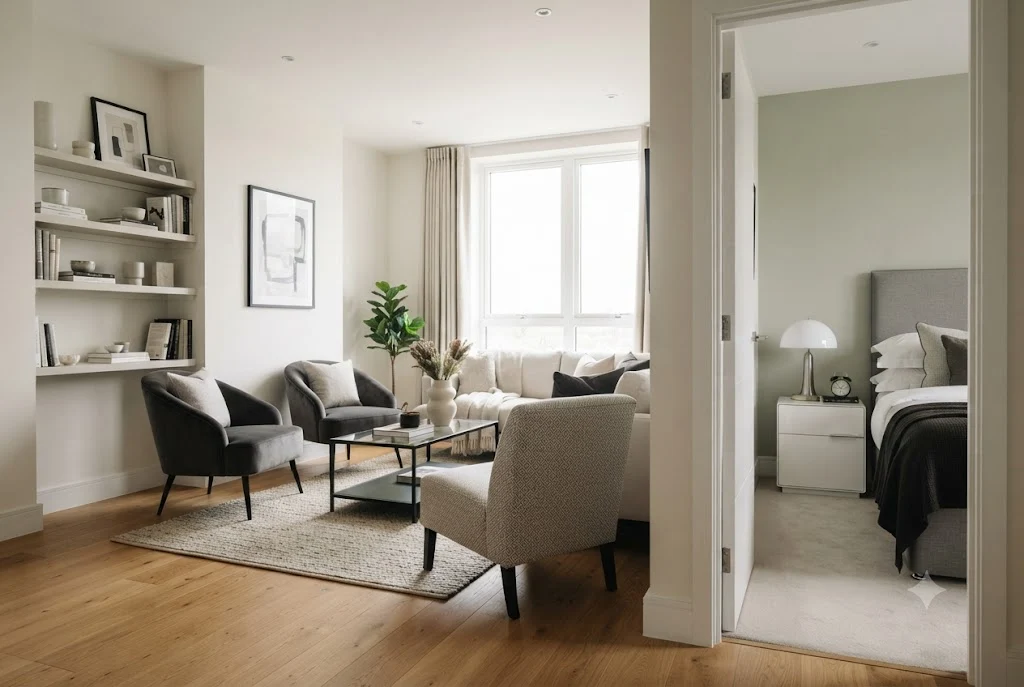
Choosing the right home furniture ideas can completely transform the way your living space looks and functions. Whether you own a compact apartment, a modern townhouse, or a cosy family home in the UK, selecting furniture that balances style, comfort, and practicality is essential. Smart furniture choices not only maximise available space but also create an inviting atmosphere that reflects your personality.
Modern interiors favour clean lines, multifunctional furniture, and carefully selected statement pieces. Instead of overcrowding rooms, today’s approach focuses on creating open, comfortable spaces that remain practical for everyday living.
Why Smart Home Furniture Planning Matters
Before buying furniture, consider how each room is used. Every piece should serve a purpose while maintaining visual harmony throughout the home. Measuring available floor space, planning walkways, and choosing appropriately sized furniture can prevent rooms from feeling cramped.
For homeowners looking to upgrade their interiors, combining functionality with timeless design often delivers the best long-term value.
Home Furniture Ideas for Small Living Spaces
Smaller homes benefit from furniture that performs multiple functions. Storage beds, nesting coffee tables, extendable dining tables, and modular sofas allow homeowners to maximise every square metre without sacrificing style.
Light colours, reflective surfaces, and minimal accessories also help rooms appear larger. Mirrors and carefully positioned lighting can further enhance openness.
Choosing Small Drawing Room Furniture
Selecting the right small drawing room furniture starts with proportion. Instead of oversized sofas, consider compact seating combined with slim coffee tables and floating storage units. Furniture with visible legs also creates the illusion of additional floor space.
Neutral colour palettes work well in smaller rooms while allowing decorative accessories to introduce personality.
Creating a Stylish Modern Living Room
A modern living room combines comfort with simplicity. Rather than filling every corner, focus on a few quality pieces that establish balance throughout the room.
Popular choices include:
- Minimalist sofas
- Open shelving
- Statement lighting
- Natural wood finishes
- Soft textured rugs
For additional inspiration, you may also enjoy our guide to luxury home decorations for contemporary interiors.
Accent Seating That Adds Personality
Accent seating offers one of the easiest ways to refresh a room without a complete redesign. Carefully selected chairs introduce colour, texture, and visual interest.
Living Accent Chairs
Living accent chairs work beautifully beside sofas, fireplaces, or reading corners. Upholstered designs in soft fabrics provide both comfort and elegance while creating extra seating for guests.
Dark Accent Chairs
Dark accent chairs create striking contrast within lighter interiors. Shades such as charcoal, navy, or deep green pair particularly well with neutral walls and natural flooring.
Patterned Armchair
A patterned armchair can become the focal point of a living room. Geometric prints, botanical designs, or subtle textures introduce character without overwhelming the space. When using patterned furniture, keep surrounding décor relatively simple for a balanced appearance.
Selecting Stylish Bedroom Furniture
Bedrooms should feel calm, organised, and functional. Storage solutions remain particularly important in modern homes where space is often limited.
White and Gold Bedside Table
A white and gold bedside table complements both contemporary and luxury-inspired interiors. The combination of crisp white finishes with metallic detailing creates a sophisticated yet timeless appearance.
White Gloss Bedside Table
Those seeking a clean minimalist style often prefer a white gloss bedside table. Gloss finishes reflect light, making smaller bedrooms feel brighter and more spacious while remaining easy to maintain.
B&M Bedside Cabinets
B&M bedside cabinets remain popular among UK homeowners seeking affordable furniture solutions. When shopping for budget-friendly pieces, always consider construction quality, storage capacity, and compatibility with your existing décor.
Balancing Style with Functionality
Furniture should enhance everyday life rather than simply fill empty spaces. Before purchasing new items, ask yourself:
- Will this improve room functionality?
- Does it fit comfortably within the available space?
- Will it remain stylish for several years?
- Can it be paired with future décor updates?
Answering these questions helps avoid unnecessary purchases while creating a more cohesive home.
Colour Coordination Tips
Modern interiors often rely on layered neutral tones complemented by carefully chosen accent colours. Soft greys, warm whites, beige, sage green, and natural wood remain among the most versatile options.
Adding cushions, artwork, throws, or decorative accessories allows homeowners to update seasonal colour schemes without replacing major furniture pieces.
If you’re planning a complete interior refresh, our guide on home textile decor explores how fabrics and soft furnishings can elevate comfort and style.
Buying Quality Furniture in the UK
Investing in well-built furniture generally provides better long-term value than frequently replacing lower-quality alternatives. Solid timber frames, durable upholstery, reliable fittings, and quality craftsmanship contribute to furniture that withstands everyday use.
It’s also worth checking product dimensions carefully before ordering online to ensure each piece fits comfortably through doorways and within your intended space.
Conclusion
The best home furniture ideas combine practicality, comfort, and timeless design. Whether you’re furnishing a compact apartment or updating a modern family home, selecting appropriately sized furniture, incorporating statement accent seating, and choosing functional bedroom storage creates interiors that remain stylish for years.
Thoughtful planning allows every room to feel organised, welcoming, and uniquely personal while making the most of available space.
For further guidance on creating comfortable and attractive interiors, the Royal Institute of British Architects (RIBA) provides valuable advice on residential design and home improvement.