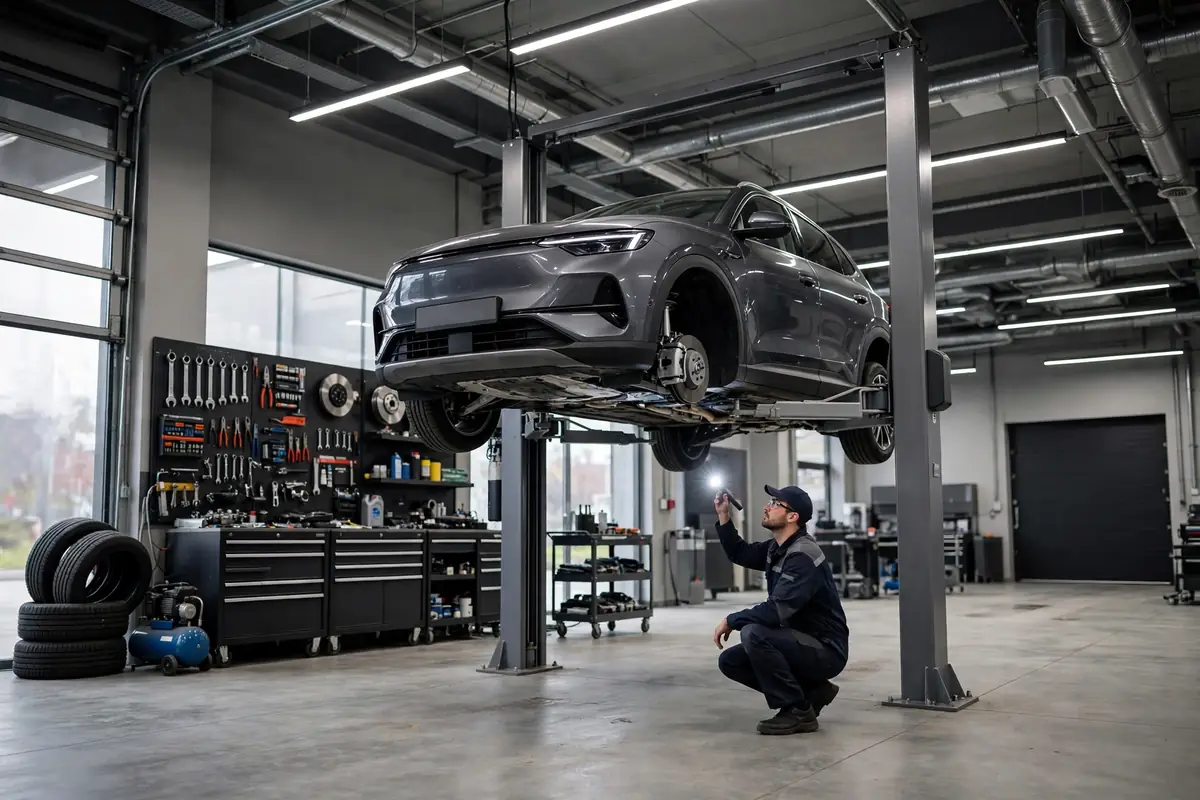

Auto inspection services can provide automotive businesses with much more than a commercial service page. When inspection findings are transformed into useful research, data-driven content and credible outreach assets, they can become the foundation of a digital PR campaign that attracts attention from publishers, journalists, industry websites and potential customers.
Vehicle inspection is already a subject with strong practical value because motorists want reliable information before buying, maintaining or repairing a vehicle. For automotive businesses, that creates an opportunity to turn genuine expertise and properly collected information into authority content rather than relying solely on promotional messaging.
A successful campaign, however, needs more than a collection of numbers. The research must be meaningful, the methodology should be transparent and the resulting content should answer questions that people genuinely care about. When those elements come together, inspection-related content can support both brand visibility and long-term SEO.
Why Auto Inspection Services Work Well for Digital PR
Digital PR works best when a business has something useful, interesting or genuinely newsworthy to contribute. Generic claims about service quality rarely give publishers a strong reason to mention a company. Original information, on the other hand, can create a much stronger editorial proposition.
Auto inspection services are particularly suitable because inspections can produce observations about vehicle condition, common defects, recurring maintenance concerns and buyer questions. If a business collects this information responsibly, it may be able to identify patterns that can be turned into useful research.
For example, an inspection provider could analyse its own historical records to identify commonly observed categories of issues. The resulting research might help explain which areas buyers should pay closer attention to when assessing a used vehicle.
The important point is that the research must represent what the available data can actually support. A dataset from one inspection business should not automatically be presented as representative of every vehicle in the UK.
Turn Vehicle Inspection Data Into Original Research
Original research gives an automotive digital PR campaign a stronger foundation because it provides information that other websites may want to reference. The research does not necessarily need to be complicated. What matters is that the underlying data is genuine, the methodology is understandable and the findings offer something useful.
A campaign based on auto inspection services could examine areas such as:
- Common categories of issues identified during inspections.
- Frequently observed tyre or wheel concerns.
- Recurring signs of wear found during used-car assessments.
- Differences between inspection findings across vehicle age groups.
- Questions buyers most frequently ask before purchasing a used vehicle.
- Patterns found in anonymised inspection records.
The scope should be defined before analysing the information. This helps prevent a campaign from making conclusions that the data cannot support.
A useful example is a study of anonymised inspection records over a clearly defined period. The campaign could explain the number of vehicles reviewed, the type of inspection involved, the categories analysed and any limitations affecting the results.
This approach makes the content more credible while giving journalists and publishers enough context to decide whether the findings are relevant to their audience.
Build Strong Statistics Pages Around Inspection Findings
Statistics pages can turn research into a durable SEO and digital PR asset. Instead of publishing the findings in a single press release, an automotive website can create a permanent resource that explains the methodology, presents key findings and provides supporting context.
A good statistics page should be easy to scan. Readers should quickly understand what was studied, where the information came from and what the main findings mean.
Charts, percentages, concise explanations and clearly labelled data points can make the resource more useful. However, every figure should be traceable to the underlying dataset. Avoid creating impressive-looking statistics simply to attract clicks.
Where appropriate, the statistics page can also become a central destination for future outreach. If an automotive journalist writes about used-car problems, maintenance concerns or vehicle buying, a well-organised research page gives them something specific to review and potentially reference.
This creates a natural relationship between data-driven content and link acquisition without turning the campaign into a purely promotional exercise.
Make Inspection Reports Useful Beyond the Customer
Inspection reports are another potential source of educational content. A report produced for an individual customer is primarily a service deliverable, but aggregated and anonymised information from reports can sometimes reveal broader patterns.
For example, an automotive business might notice recurring questions about tyre condition, corrosion, fluid leaks or visible signs of previous repairs. These observations could inform an educational guide explaining what buyers should look for during a used-car assessment.
Any such use of inspection information must respect privacy and confidentiality. Personal customer information should not be exposed, and research should be appropriately anonymised.
The resulting content can then connect to a broader vehicle inspection guide, allowing readers to explore the inspection process in greater depth.
Create Outreach Assets Journalists Can Actually Use
A digital PR campaign becomes easier to promote when the research is packaged into useful outreach assets. A journalist does not necessarily want to read a long sales page before deciding whether a story is worth covering.
Useful assets might include:
- A concise research summary.
- Original charts based on the dataset.
- A downloadable methodology document.
- Expert commentary explaining the findings.
- A statistics page containing the key figures.
- A practical checklist for used-car buyers.
- High-quality images or diagrams that support the research.
The goal is to make the information easy to understand and reference. If a publisher can quickly identify the main finding, understand its context and access supporting evidence, the campaign has a stronger editorial proposition.
Visual assets should also be designed around the story rather than simply decorated with branding. A clear chart showing a genuine research finding is more useful than a promotional graphic containing a company slogan.
Connect Digital PR With Authority Content
Authority content should sit around the research rather than replacing it. A statistics page may attract links, but supporting articles can explain the subject in greater depth and help search engines understand the wider topical relationship.
For example, a website could publish educational resources about used-car inspections, inspection reports, vehicle maintenance and common ownership concerns. The central research asset can then link to these supporting resources where they genuinely help the reader.
This is where a broader automotive content strategy becomes valuable. A strong auto services resource can provide a wider context for inspection, maintenance and related automotive topics.
Internal linking should follow user intent rather than simply inserting links for SEO purposes. Someone reading research about inspection findings may naturally want to understand the inspection process. Someone researching maintenance issues may need a guide to ongoing vehicle care.
That makes contextual linking useful for both readers and search engines.
Use the Research to Create a Newsworthy Story
Data alone does not automatically create digital PR coverage. The campaign needs a clear story.
Instead of presenting a page titled “Our Inspection Data”, consider what the findings actually reveal. Perhaps the research highlights a recurring issue among older vehicles, identifies a frequently overlooked inspection area or demonstrates a pattern that challenges a common assumption.
The story should be based on the evidence rather than manufactured for publicity.
A strong campaign can combine a headline finding with expert explanation. The research tells publishers what happened, while the expert commentary helps explain why the finding may matter to motorists.
For UK automotive audiences, regulatory context can also be important. For example, the official GOV.UK guidance on how the MOT test works explains that the MOT checks important vehicle components against legal standards but does not cover every part of a vehicle, including the engine, clutch or gearbox. This distinction can help content creators explain why a statutory MOT and a broader vehicle assessment should not automatically be treated as identical services.
Promote Research Through Targeted Automotive Outreach
Once the research and supporting assets are ready, outreach should focus on publications and websites whose audiences have a genuine reason to care about the findings.
Relevant targets may include automotive publications, motoring blogs, consumer-interest websites, local news publishers and business publications covering transport or mobility.
Personalisation matters. An outreach email should explain why the research is relevant to the recipient rather than sending the same generic pitch to every website.
For example, a motoring publication may be interested in a finding about used-car inspection problems, while a local publication might be more interested in research involving motorists or garages within a particular region.
Quality should take priority over volume. A smaller number of well-researched pitches can be more valuable than sending hundreds of irrelevant messages.
Support Digital PR With Broader Automotive Content
A digital PR campaign should not exist in isolation. Once research attracts attention, the website needs relevant content for visitors who arrive from those external references.
That may include detailed service information, educational guides and maintenance resources. For example, a broader vehicle maintenance guide can help readers move from an inspection-related question towards practical information about ongoing vehicle care.
This structure creates a more complete user journey. A reader discovers a research story, visits the statistics page, explores the underlying subject and then reaches relevant educational or commercial content.
It also helps prevent the research asset from becoming an isolated page that attracts links without contributing meaningfully to the rest of the website.
Measure More Than Backlinks
Backlinks are an important part of many digital PR campaigns, but they should not be the only measurement point.
Automotive businesses can also evaluate referral traffic, brand mentions, organic visibility, engagement with the research page and the number of relevant publishers that reference the findings.
The quality of coverage matters too. A mention on a relevant automotive publication may provide more meaningful value than a large number of links from unrelated websites.
Over time, successful research can also generate secondary opportunities. One original study may become the basis for additional commentary, follow-up analysis, updated statistics and new editorial stories.
How Auto Inspection Services Can Build Long-Term Authority
The strongest automotive digital PR campaigns are not one-off publicity exercises. They can become part of a wider authority-building system.
A business can begin with one carefully designed research project, publish the findings as a permanent statistics resource, create supporting authority content and then promote the asset to relevant publishers. Future research can build on the original methodology without simply repeating the same article.
Over time, this creates a library of useful information around vehicle condition, inspections, maintenance and buying decisions.
For an automotive website, that approach is more sustainable than publishing disconnected promotional posts. It creates a reason for other websites to reference the brand while giving searchers useful information at different stages of their journey.
Final Thoughts
Auto inspection services can provide a strong foundation for automotive digital PR when genuine inspection expertise is combined with responsible data analysis and useful editorial content. Original research, statistics pages, inspection insights and well-designed outreach assets can give publishers a reason to pay attention.
The key is credibility. Research should be based on real information, limitations should be acknowledged and claims should remain proportionate to the evidence. When those principles are followed, inspection data can become much more than a sales tool.
By connecting research with relevant vehicle inspection resources, maintenance guides and wider automotive content, businesses can build a stronger information ecosystem around their expertise. The result is a digital PR strategy that supports visibility, authority, user education and long-term organic growth at the same time.