

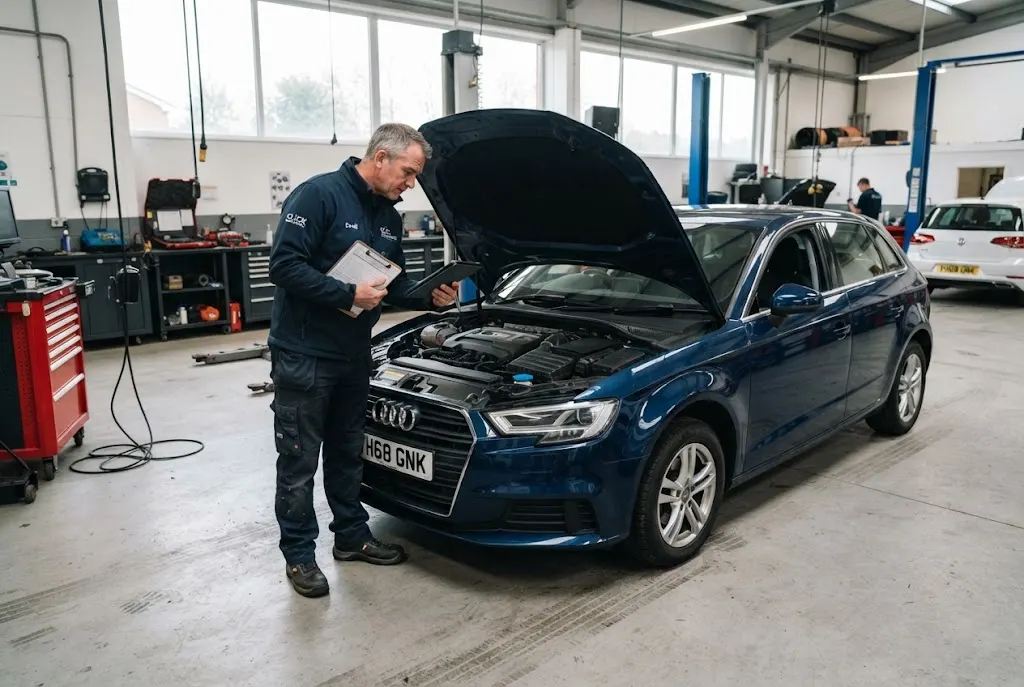
A vehicle inspection can give a used-car buyer valuable information about the condition of a vehicle before money changes hands. A car may look excellent in photographs and appear sound during a short test drive, yet still have mechanical, structural or maintenance issues that are difficult to identify without a closer assessment.
A professional inspection is therefore more than a quick visual check. Depending on the service, it can examine important components, identify visible defects and produce documentation that helps the buyer understand the vehicle’s current condition. When combined with service history and appropriate vehicle history checks, an inspection can make the buying process more informed.
This guide explains what a vehicle inspection can involve, why pre-purchase inspections matter, what inspection reports can reveal and how inspection content can become a useful linkable asset for automotive websites.
Why Vehicle Inspection Matters Before Buying
Buying a used vehicle involves uncertainty. Unlike a new car purchased directly from a manufacturer or authorised retailer, a used vehicle has an existing history that can include previous owners, repairs, wear and maintenance.
A careful inspection can help identify issues that are not immediately obvious. This does not guarantee that every future problem will be discovered or prevented, but it can provide additional information before a buyer commits to the purchase.
The value of an inspection is particularly clear when the vehicle is expensive, has high mileage, has limited documentation or is being purchased privately. In these circumstances, an independent assessment can provide another layer of confidence.
What Does a Vehicle Inspection Check?
The exact scope of a vehicle inspection depends on the inspection provider and package selected. Buyers should always confirm what is included before booking.
A comprehensive inspection may examine areas such as:
- Exterior bodywork and visible damage.
- Tyres and wheels.
- Lights and visible electrical components.
- Engine bay and signs of leaks.
- Braking components that can be assessed during the inspection.
- Steering and suspension components where accessible.
- Interior condition and controls.
- Fluid levels and visible mechanical concerns.
- Evidence of previous repairs or inconsistent bodywork.
Some inspection services may also include a road test or additional diagnostic checks. The buyer should establish the precise scope rather than assuming that every inspection covers the same areas.
Pre-Purchase Inspection for Used Cars
A pre-purchase inspection is designed to help a potential buyer assess a vehicle before completing a purchase. It can be particularly useful when the seller is not the buyer’s usual garage or when the buyer has limited mechanical knowledge.
The inspection can provide an independent perspective on the vehicle’s condition. If significant problems are identified, the buyer may decide to negotiate, request further investigation or walk away from the purchase.
An inspection does not replace the buyer’s own checks. It should be viewed as one part of a wider due-diligence process that may include reviewing documentation, checking the vehicle identification details and confirming the car’s history.
How Inspection Reports Help Buyers
Inspection reports turn the findings of an assessment into a record that the buyer can review. The usefulness of a report depends on the inspection provider, but a well-structured report should make the findings understandable rather than simply listing technical observations.
Buyers should look for clear descriptions of issues, photographs where provided, explanations of condition and distinctions between immediate concerns and items that may require monitoring.
A report can also help a buyer ask more informed questions. For example, if an inspector identifies signs of tyre wear, the buyer may want to understand whether replacement is likely to be needed soon. This can connect naturally with information about tyre services and the ongoing costs associated with vehicle ownership.
Vehicle Inspection and Service History
Service history provides important context for an inspection. A vehicle that has been maintained consistently may present a different ownership picture from one with long gaps in documented maintenance.
Buyers should review available service records carefully and compare them with the vehicle’s age, mileage and apparent condition. Look for evidence of scheduled servicing and major maintenance work where relevant.
However, a service history should not be treated as proof that the vehicle is currently free from faults. A vehicle can have a strong maintenance record and still develop a problem after its most recent service.
That is why service documentation and an independent inspection can complement one another.
Vehicle History vs Vehicle Inspection
It is useful to distinguish between vehicle history and physical inspection.
A history check can provide information about the vehicle’s recorded background, depending on the service used. It may help identify issues such as recorded events, mileage information or other available historical data.
A physical inspection answers a different question: what condition does the vehicle appear to be in now?
Neither approach should automatically be treated as a complete substitute for the other. History information provides background, while inspection findings provide a current assessment of observable condition.
Red Flags a Vehicle Inspection May Identify
An inspection can reveal signs that justify closer investigation. These may include uneven tyre wear, fluid leaks, unusual noises, damaged bodywork, corrosion, inconsistent panel alignment or components showing significant wear.
Some findings may be relatively minor, while others could have important implications for safety, reliability or future costs. The significance of each finding depends on the vehicle and the inspector’s assessment.
Buyers should avoid interpreting a single observation in isolation. A professional report can help place individual findings into the wider condition of the vehicle.
How Inspection Findings Affect Buying Decisions
The purpose of an inspection is not necessarily to find a perfect vehicle. Used cars naturally show signs of age and use. Instead, the inspection can help a buyer understand what they are purchasing.
Minor cosmetic marks may be acceptable to one buyer but not another. A worn component that requires replacement soon may influence the purchase price. A serious mechanical or structural concern may change the decision entirely.
Understanding these differences can help buyers make decisions based on evidence rather than assumptions.
Estimate Potential Ownership Costs
Inspection findings can also contribute to a more realistic view of future ownership costs. A vehicle with worn tyres, overdue maintenance or multiple components approaching replacement may require more spending after purchase.
For example, a buyer who discovers that tyres are nearing the end of their usable life can include potential replacement costs in their budget. Similarly, identified maintenance needs can help the buyer understand that the purchase price is only one part of the total cost of owning the vehicle.
Where repair work is substantial, buyers may also want to understand options for managing unexpected expenses. A separate resource about repair finance can provide useful context for motorists considering how larger repair bills may be handled.
What Makes Vehicle Inspection Content Linkable?
For automotive websites, vehicle inspection is also a valuable subject for creating original, reference-worthy content. The strongest linkable assets usually offer information that other websites have a genuine reason to reference.
Instead of publishing another generic article about buying used cars, a website can create original research around vehicle inspection findings, common defects, inspection trends or buyer concerns where reliable data is available.
Original Research
Original research can be especially useful for earning links because journalists, automotive publishers and other websites may reference genuinely new findings.
For example, an automotive business could analyse anonymised inspection records and report the most frequently observed categories of issues. Any research should use a clearly defined methodology, an appropriate sample and transparent limitations.
Claims should be supported by the underlying data. Avoid presenting a small or narrow dataset as representative of the entire UK used-car market.
Visual Inspection Data
Charts, photographs and clearly explained datasets can make inspection research easier to understand. A well-presented resource can become useful to readers while also providing something publishers can reference when discussing used-car condition.
The key is originality. Simply rewriting publicly available statistics is less likely to create a genuinely distinctive resource than publishing analysis based on clearly explained first-party research.
Create a Vehicle Inspection Checklist
A practical inspection checklist can also serve as a useful supporting resource. It can remind buyers to review the exterior, interior, tyres, visible mechanical areas, documentation and test-drive behaviour.
However, a checklist should make clear that it is not a substitute for a professional assessment. Some mechanical or structural problems require specialist equipment and expertise.
Creating a detailed checklist can also support internal linking to deeper resources. For example, a tyre section can point towards tyre-related guidance, while a section about vehicle purchase costs can connect to relevant finance content.
Connect Inspection Content to Car Finance
Vehicle inspection content often sits close to the commercial vehicle-buying journey. Someone researching an inspection may be preparing to purchase a used vehicle and may eventually need information about financing the purchase.
That creates a natural connection to car finance. The inspection article can remain focused on assessing vehicle condition while the finance guide addresses borrowing, repayment structures and other purchase-finance considerations.
Keeping those search intents separate helps prevent content cannibalisation while still creating a strong internal linking structure across the wider automotive topic cluster.
Inspection Content for Online Dealerships
Online dealerships and automotive marketplaces can also use inspection content to strengthen buyer confidence. Explaining how vehicles are assessed, what inspection reports contain and how customers can interpret findings can make the purchasing journey more transparent.
This type of educational content can support commercial pages without turning every article into a sales pitch. The reader receives useful information first, while relevant service or vehicle pages provide the next step when appropriate.
For broader marketplace research, a separate article about AutoTrader UK can explore how buyers search through vehicle listings and compare used cars online.
Common Mistakes When Publishing Inspection Content
Not all vehicle inspection content provides equal value. Several common approaches can weaken an otherwise useful article.
- Making unsupported claims: Inspection findings should be based on evidence rather than invented statistics.
- Overpromising what an inspection detects: No inspection can guarantee that every future fault will be discovered.
- Using generic checklists: Useful checklists should provide meaningful guidance rather than repeating obvious points.
- Ignoring inspection limitations: Readers should understand what the selected inspection actually covers.
- Publishing research without methodology: Original research becomes more credible when its data source, sample and methods are explained.
- Forcing commercial links: Internal links should support the reader’s next question rather than interrupt the article.
How to Build a Strong Inspection Content Cluster
A comprehensive automotive inspection cluster can begin with a main vehicle inspection guide and expand into closely related topics. Supporting content might cover pre-purchase inspections, interpreting inspection reports, service history, vehicle history checks and used-car buying decisions.
Each article should target a distinct search intent. The main inspection guide can explain the overall process, while a report-focused article can help readers understand inspection findings. A separate history guide can explain the difference between historical records and physical assessment.
This structure creates natural opportunities for internal links while reducing the risk of publishing several articles that compete for exactly the same keyword.
Final Thoughts
A professional vehicle inspection can provide valuable information before buying a used car, particularly when the buyer wants an independent assessment of its current condition. It works best alongside service records, appropriate vehicle history information and a realistic assessment of future ownership costs.
For automotive publishers, inspection is also a strong subject for practical guides, original research and linkable assets. The most valuable resources are those that provide clear evidence, useful explanations and genuinely new information.
By combining useful inspection content with carefully planned internal links to related automotive topics, a website can support users throughout the vehicle-buying journey while building stronger topical authority in search.
