
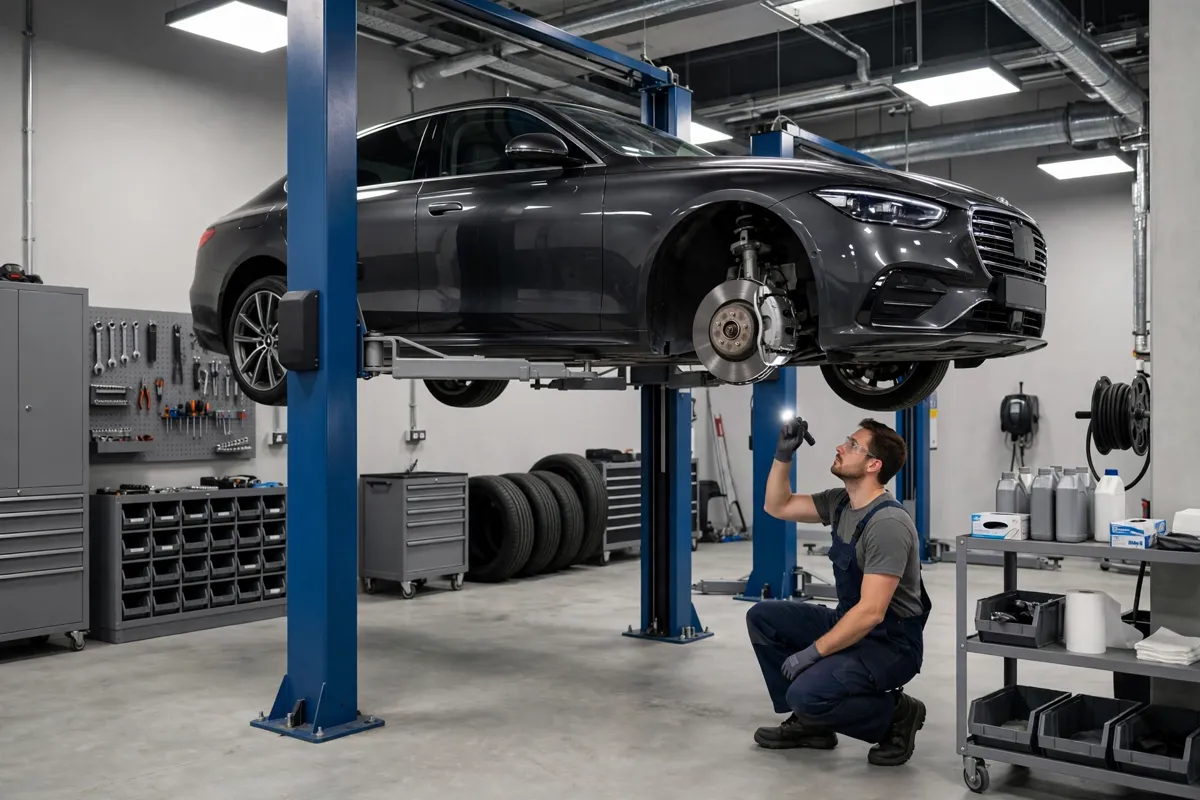
A BMW service is the routine maintenance visit that keeps your car safe, reliable and efficient, and it is one of the most important running costs to understand as an owner. If you are looking for a BMW service UK owners can book with confidence, the key questions are usually the same: what work is actually included, how much should it reasonably cost, and does the car have to go to a main dealer? The short answer on cost is that there is no single fixed price. The total depends on your model, its age and engine, which service items are due, and the labour rates of the garage you choose. This guide explains that logic in plain English, so you can compare quotes like for like.
A BMW service is not one single job. Modern BMWs use condition-based servicing, which means different items fall due at different times rather than everything being replaced at once. Understanding that system is the easiest way to understand both the work involved and the final bill.
What Does a BMW Service Include?
Unlike older fixed schedules, a BMW service is built around individual service items. When you book a BMW service, the garage will check which items are due for your car and quote for those items, rather than for a generic package. The exact scope depends on the model, its engine and its service history, but most visits centre on a small number of core items. Alongside the main item, a technician will usually carry out a range of safety and fluid checks, inspect the car underneath, and reset the service indicator once the work is complete.
BMW Oil Service
The BMW oil service is the most familiar item. Engine oil works hard to lubricate moving parts, carry heat away and keep internal surfaces clean, and it gradually degrades with use. During an oil service, the old oil is drained and replaced with fresh oil of the correct specification for your engine, and the oil filter is changed at the same time. Using the correct grade matters, because modern BMW engines are built to tight tolerances and are designed around specific oil standards. Skipping or delaying an oil change can allow wear to build up, so this is the one service item owners should never treat as optional.
BMW Brake Fluid Service
The BMW brake fluid service replaces the brake fluid in the hydraulic braking system. Brake fluid absorbs moisture from the air over time, and as its water content rises, its boiling point falls and braking performance can suffer, particularly under repeated or heavy braking. Fresh fluid helps maintain a firm pedal feel and protects internal components from corrosion. Because the brakes are a safety-critical system, a brake fluid change should always be completed on schedule when the car asks for it, rather than postponed until symptoms appear.
BMW Vehicle Check
The BMW vehicle check is a structured inspection of the car’s key safety and mechanical systems. A technician works through a checklist covering areas such as brakes, tyres, steering, suspension, lights, fluid levels and visible wear, and reports anything that needs attention now or in the near future. Think of it as a health check rather than a repair: you receive a report, often with traffic-light ratings, and you decide which recommendations to approve. A vehicle check is not the same as an MOT. The MOT is the legal roadworthiness test, while the vehicle check is the manufacturer’s own inspection. Our guide to MOT and service explains how the two fit together.
Condition-Based Servicing and Service Intervals
Most modern BMWs use Condition Based Servicing, often shortened to CBS. Sensors and software monitor how the car is driven and estimate the condition of items such as engine oil, brake pads and brake fluid. The dashboard and central display then count down to each item and tell you when it is due, rather than relying only on a fixed calendar.
That is why there is no single service interval that suits every BMW. Two cars of the same age can need different work because one covers long motorway journeys while the other makes short trips in town, which place very different demands on the oil and brakes. Always follow the car’s own display and your handbook for your model, and treat any general guidance as a prompt to check rather than as a fixed rule. If a service reminder appears, booking your BMW service promptly helps prevent a small maintenance item from turning into a bigger and more expensive repair.
BMW Service Prices: What Affects the Cost?
Owners comparing BMW service prices quickly discover that quotes vary, sometimes widely. That does not automatically mean one garage is overcharging. Your BMW service cost depends first on which items are due: an oil service on its own will cost less than a visit that also includes brake fluid, filters and a vehicle check. As our guide to car service cost explains, comparing like-for-like scope is the only fair way to judge two quotes.
The main factors that shape BMW servicing costs include:
- The model and engine: larger or high-performance models often need more oil, more expensive parts and more workshop time.
- The age and mileage of the car: older cars may need extra items, such as spark plugs or air filters, at the same visit.
- Parts quality: genuine, original-equipment and good-quality alternative parts carry different prices.
- Labour rates: main dealers, specialists and garages in different parts of the country charge different hourly rates.
- Additional work: worn brake pads, tyres or other items found during the check add to the final bill, but only with your approval.
Ask for an itemised quote before you book, confirm whether parts, fluids, labour and VAT are included, and check whether the garage will contact you before doing any extra work. A clear written quote protects you and makes BMW service prices much easier to compare fairly.
Main Dealer vs Independent: What Is a BMW Approved Service?
Many owners assume a car under warranty must be serviced by a main dealer, but that is not the general position in the UK. Under long-standing block exemption rules, a manufacturer cannot normally insist that you use its own dealer network to keep a new-car warranty valid, provided the work is carried out to the manufacturer’s schedule, using parts and fluids of appropriate quality, and is properly documented. A service that follows those standards is what owners usually mean by a BMW approved service, whether it is completed by a franchised dealer or by a good independent specialist.
Main dealers offer factory-trained technicians, direct access to the manufacturer’s systems and automatic updates to the car’s digital service records, which some owners value highly. Independent BMW specialists often offer lower labour rates and a more personal service, and many use the same diagnostic equipment and can update digital records too. Whichever route you choose for your next BMW service, keep invoices that show the date, mileage, work completed and parts used. A complete, well-documented service history supports the car’s value when you sell it, and gaps in the history are one of the first things buyers look for.
Service Plans and Managing the Cost
If you prefer predictable budgeting, a service plan spreads BMW servicing costs into monthly payments or a single advance payment covering scheduled items over a set period. Plans are offered by manufacturers, dealer groups and some independent garages, and they can protect you against price rises during the plan period. Read the terms carefully before signing: check which service items are included, whether items such as brake fluid are covered, what happens if you sell the car, and whether the plan is tied to one dealer or can move with you. A plan suits owners who know they will keep the car and use the network offering it. If you prefer the freedom to shop around for each BMW service, paying as you go may suit you better.
How BMW Service Booking Works
BMW service booking is usually straightforward online, by phone or through the car’s connected services where fitted. You will normally be asked for your registration number or model details, your current mileage and which service items the car says are due. The BMW service pages on dealer, specialist and booking websites are designed around this process: you enter your details, the pages identify the work your car needs, show what is included, and offer available dates and, in many cases, an indicative price before you confirm.
Before the day, note any symptoms you want investigated, such as noises, warning messages or changes in how the car drives, and tell the garage when you arrive. Ask how long the car will be needed, whether a courtesy car or a collection service is available, and how you will be asked to approve any additional work. After the service, you should receive an itemised invoice and a report of the checks carried out, and the service indicator should be reset. For a broader look at how servicing is organised for UK drivers, see our car servicing guide.
Frequently Asked Questions
How often does a BMW need a service?
Follow the countdown shown on your dashboard or central display and the guidance in your handbook. With Condition Based Servicing, your BMW service timing is set for each item according to how the car is used, so intervals vary between cars and between items.
Can an independent garage service my BMW without affecting the warranty?
In general terms, yes, provided the garage follows the manufacturer’s schedule, uses parts and fluids of appropriate quality and documents the work properly. Keep your invoices as evidence, and check your own warranty terms if you are unsure about any detail.
Why do quotes for the same service differ so much?
Because garages may include different items, parts quality and labour rates vary, and some quotes include VAT or extras that others leave out. Compare itemised quotes that cover exactly the same scope of work before deciding.
Final Thoughts
A BMW service does not need to be a leap of faith. Check what your car says is due, understand the main items involved, compare itemised quotes from a main dealer and a reputable specialist, and keep every invoice. Done that way, a regular BMW service protects your warranty position, supports your car’s value and, most importantly, keeps it safe and reliable on UK roads.