
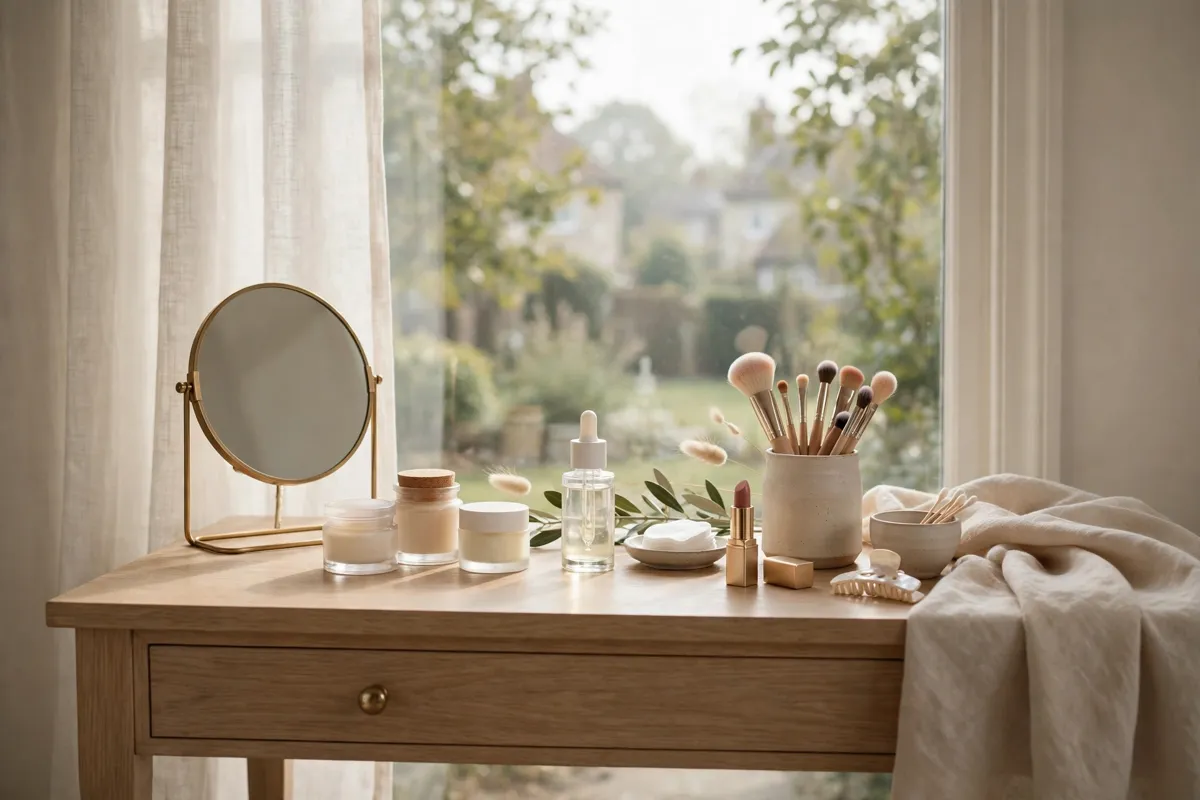
Searching for the best beauty products can feel overwhelming. Shelves and websites are full of products promising dramatic results, and every week seems to bring another launch, another viral recommendation and another limited edition. Yet the products that earn a permanent place in your routine are rarely the most hyped. They are the ones that suit your skin, fit your budget and do a simple job well, day after day.
This guide takes a more honest approach. Instead of a fake ranking or a list of miracle products, it explains how to judge any product for yourself: how to think about skin type, ingredients, patch testing and price per use, how skincare and makeup categories differ, and how to compare products and read reviews with a critical eye. By the end, you will have a short checklist you can use for every purchase.
How to Choose the Best Beauty Products for Your Skin and Budget
There is no single product that is best for everyone. “Best” is always best for someone: for a particular skin type, concern, routine and budget. A rich cream that transforms dry winter skin may feel heavy on oily skin in summer. A foundation loved by a friend may sit badly on your skin, or come in no shade close to yours. Treating “best” as a personal judgement, rather than a universal title, is the first step towards buying well.
Four questions do most of the work. What is my skin actually like? What job do I need this product to do? How will I know whether it suits me? And what does it cost per use, not just per bottle? The sections below work through each one in turn.
Start With Your Skin Type
Skin type is the foundation of every good purchase. Broadly, skin tends to be dry, oily, combination, normal or sensitive, and it can change with the seasons, age and environment. Dry skin often feels tight after cleansing and may look flaky; oily skin develops shine quickly; combination skin is typically oilier across the forehead, nose and chin; sensitive skin reacts easily to new products or fragrance.
You do not need a complicated diagnosis. Wash your face with a gentle cleanser, wait half an hour and notice how your skin feels. Tightness suggests dryness, shine suggests oiliness, and a mixture suggests combination skin. Choosing the best skincare products starts here, because texture and formula should follow skin type: lighter gels and fluids often suit oilier skin, while creams and balms tend to suit drier skin.
Learn to Read an Ingredient List in General Terms
Ingredient lists look intimidating, but you only need a few habits. Ingredients are listed in descending order of concentration, so the first few make up most of the product. Learn to recognise broad categories rather than memorising individual names: humectants draw in water, emollients soften the skin, occlusives help seal moisture in, and exfoliating acids loosen dead skin cells. Fragrance and essential oils usually appear near the end, and they matter most if your skin is sensitive.
Keep claims in perspective. A product can contain a fashionable ingredient at a level too low to matter, and a plain, well-made formula can work beautifully. If you have a medical skin concern, a pharmacist or dermatologist is a better source of advice than any label or blog, including this one.
Patch Testing and Introducing Products Slowly
Patch testing is unglamorous and essential. Apply a small amount of a new product to a discreet area, such as behind the ear or along the jawline, for a few days before using it fully. Introduce one new product at a time, with a gap of a week or so, so that if your skin reacts you know which product is responsible.
Stop using anything that causes burning, a rash or persistent irritation, and give your skin time to settle. Keeping a simple note of what you tried, when you tried it and how your skin responded turns guesswork into useful personal evidence over time.
Price Per Use: A Fairer Way to Judge Value
Sticker prices mislead. A large bottle that lasts six months of daily use may cost less per week than a small, cheaper pot that you replace every month. To compare fairly, divide the price by the amount in the container and think about how much you use each time. This cost-per-use habit is one of the simplest ways to recognise the best beauty products UK shoppers return to again and again: they are usually the ones whose cost per use feels fair for the job they do.
It also explains why some premium products are reasonable value and some budget products are not — and why the reverse is just as often true.
Skincare Categories: What Good Looks Like
A routine does not need ten steps. For most people, the best skincare UK retailers sell falls into four everyday categories: a cleanser, a moisturiser, SPF for daytime, and an optional serum or treatment. Here is what “good” looks like in each, in general terms.
Cleanser
A good cleanser removes sunscreen, makeup and the day’s grime without leaving skin feeling squeaky, tight or stripped. Gel and foaming cleansers often suit oilier skin; cream and oil cleansers often suit drier skin or heavier makeup. Water temperature matters too: lukewarm water is kinder than hot water.
Moisturiser
A good moisturiser leaves skin comfortable, not coated. Lighter lotions suit oily or combination skin; richer creams suit dry skin or the winter months. If your skin is dry, try applying moisturiser to slightly damp skin, and give it a minute to settle before you apply makeup.
SPF
Daytime sun protection is the least glamorous and most widely recommended step in skincare. Choose a broad-spectrum product that you are happy to apply generously every morning, in the amount the label directs, and reapply during the day as advised, especially in strong sun. The best SPF is simply the one you will actually wear.
Serums and Treatments
Serums are concentrated, optional extras aimed at a specific concern, such as dryness or uneven tone. Add one only when your basic routine is settled, introduce it slowly, and judge it over several weeks rather than several days. More products do not automatically mean better skin.
Makeup Categories: Shade, Finish and Wear
Makeup buying goes wrong most often on shade and finish, not on quality. The best makeup products for you are the ones whose colour disappears into your skin, whose finish matches the look you want, and that still look good after a normal day of wear.
Base Products
Foundation, tinted moisturiser and concealer differ mainly in coverage. Test shades along the jawline rather than on the hand, check them in daylight, and consider your undertone: warm, cool or neutral. A dewy finish often flatters drier skin; a matte finish often suits oilier skin; satin sits between the two.
Mascara
Mascara formulas promise length, volume or curl, and the brush matters as much as the formula. Decide which effect you want most, replace mascara regularly as makers advise, and never share it. A modest mascara in the right style usually beats an expensive one chosen at random.
Lip Products
Lipstick, gloss and tinted balm are about colour and comfort. Swatch where possible, think about how a shade works with your natural lip colour, and notice whether a formula feels drying after a few hours. Among the best cosmetics in any makeup bag are the lip products that get finished rather than forgotten.
Beauty Product Comparisons and Reading Reviews Critically
Done properly, beauty product comparisons are boring in the best way: the same category, a similar size, a similar purpose, judged on the same criteria. Compare full ingredient lists, amounts, shade ranges and cost per use, not star ratings alone. A comparison that does not state who a product suits, and who it does not, is advertising rather than advice.
Treat beauty product reviews as evidence with limits. Look for reviewers with a similar skin type and similar preferences to yours, favour detailed reviews over one-line praise, and be wary of reviews published only at launch, when nobody has yet finished a bottle. A pattern across many ordinary reviewers is worth more than one enthusiastic rave.
Honest beauty product recommendations should tell you why something might suit you and why it might not. If a recommendation never mentions a downside, a skin type it excludes or a budget it breaks, read it as marketing rather than guidance.
Budget Versus Premium: What the Extra Money Buys
Price and quality are related only loosely. Premium prices can buy elegant textures, refined fragrance, beautiful packaging and formulas that feel lovely to use, all of which have real value if you enjoy them. Budget products often do the basic job very competently. What extra money rarely buys is a guarantee that a product will suit your skin.
A sensible pattern is to spend where texture and daily enjoyment matter most to you, and to save on short-contact products such as cleansers, which are washed off. Either way, judge each product on its performance for your skin, not on its price tag.
Where UK Shoppers Typically Buy Beauty Products
Most UK beauty shopping happens in a handful of familiar places: high-street chemists and beauty retailers, department stores, supermarkets, brand websites and large online beauty retailers. Each has its strengths. Shops let you test shades and textures; brand and retailer websites offer fuller ranges, reviews and loyalty schemes; supermarkets are handy for everyday staples.
Wherever you buy, check delivery charges and returns policies before you compare prices, and be cautious with unfamiliar sellers offering implausibly low prices. Our guide to Beauty Deals UK: How to Find the Best Offers explains how to judge promotions properly, while readers who buy regularly may also value our explainer on Beauty Pie Membership: Cost, Benefits and How It Works, which sets out when a membership model can make sense and when it cannot.
Buying well also means timing purchases around genuine need: replacing what has run out, rather than stockpiling duplicates that may go out of date before you open them.
A Short Decision Checklist
Before you buy any beauty product, run through this list:
- Do I know my skin type, and is this product made for it?
- What job will it do in my routine, and is that job already covered?
- Have I checked the ingredient list for anything I know my skin dislikes?
- Can I patch test it first, and introduce it on its own?
- What is the price per use, and does it fit my budget?
- Do reviews from people with similar skin support the claims?
- Where will I buy it, and what are the delivery and returns terms?
If a product passes those questions, it has earned its place, whatever its price.
Final Thoughts
The search for the best beauty products ends, happily, with your own bathroom shelf: a small set of products chosen for your skin, your budget and your habits, each one understood and used up. Buy slowly, judge by evidence rather than hype, and let your skin, not the launch calendar, set the pace.