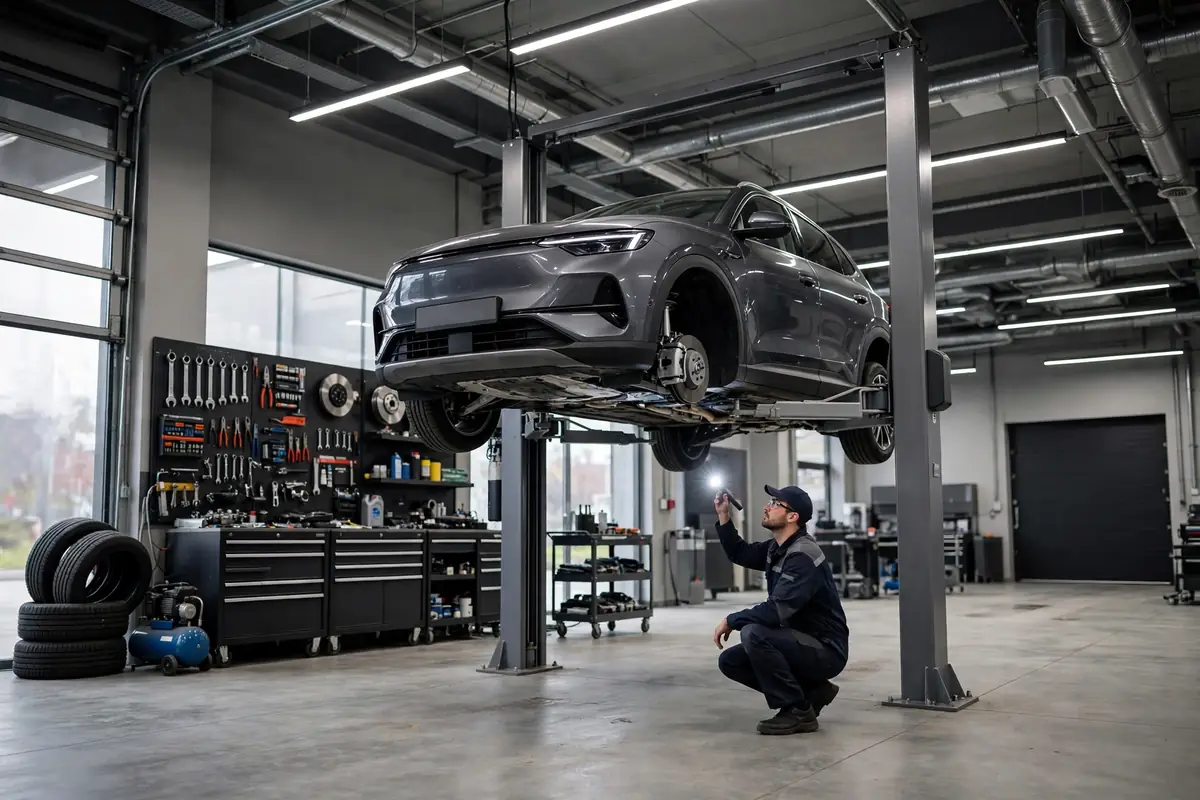

A mobile auto service gives motorists the convenience of getting vehicle repairs and maintenance at home, at work or at another suitable location. However, convenience alone does not guarantee a steady flow of local customers. When someone searches for a mobile mechanic, roadside assistance or vehicle repair nearby, the business needs to be visible at exactly the right moment.
That is where local SEO becomes important. A well-structured local search strategy can help mobile mechanics reach people searching within their service area, establish trust before the first contact and create useful landing pages for different locations. Instead of depending entirely on word of mouth or paid advertising, a mobile mechanic can build an organic search presence that supports long-term customer acquisition.
This guide explains how mobile automotive businesses can combine local SEO, Google Business Profile optimisation, location pages, local citations and regional content into a practical search strategy.
Why Mobile Auto Service Businesses Need Local SEO
Location is central to the mobile automotive business model. A customer usually does not want to find a mechanic hundreds of miles away. They want someone who can reach their home, workplace, car park or roadside location within a practical distance.
That makes local search intent particularly valuable. Searches such as “mobile mechanic near me”, “mobile car repair”, “car battery replacement near me” or “mobile vehicle diagnostics” can indicate a customer who already has a specific need.
A strong mobile auto service SEO strategy therefore focuses on connecting relevant services with the geographical areas the business genuinely serves. The objective is not to rank for every location in the country. Instead, the business should build visibility where it can actually provide a useful service.
This distinction also helps prevent misleading location targeting. A page should not claim that a mechanic operates in an area simply because that location has search demand.
Optimise the Google Business Profile
For a local automotive business, the Google Business Profile can be an important part of the local search ecosystem. Google provides businesses with tools to manage how their information appears across Google Search and Maps, making accurate business information particularly important for customers looking for immediate assistance.
A mobile mechanic should ensure that its profile information accurately reflects the real business. This includes the business name, phone number, website, service information and operating details where applicable.
The business should also clearly communicate that it provides mobile services. Customers should not have to visit several pages to determine whether the mechanic travels to their location.
Photos can reinforce this positioning. Genuine images of service vehicles, technicians working on vehicles and professional equipment can give prospective customers a better understanding of what to expect.
Reviews are also important for local businesses. A consistent process for asking genuine customers for honest feedback can help demonstrate the quality and reliability of the service without resorting to artificial or misleading review practices.
Build Dedicated Location Pages
One of the most useful approaches for a mobile mechanic serving multiple areas is to create well-written location pages. These pages should provide genuinely useful information about receiving the service in a particular area rather than simply replacing the location name across dozens of duplicate pages.
A strong page can explain:
- Which mobile automotive services are available in the area.
- Which types of vehicles the mechanic commonly works on.
- Where customers can request assistance.
- How appointments or urgent call-outs work.
- What information customers should provide when booking.
- Which nearby areas may also be covered.
For example, a mobile mechanic serving several towns could create individual pages for locations that represent genuine service markets. Each page should contain original information rather than a generic paragraph with the town name changed.
These pages can also connect naturally with relevant service pages. Someone reading about mobile diagnostics in a particular town may also need information about the wider diagnostic service before making a booking.
Use Service Area Pages Strategically
Service area pages are closely related to location pages, but their purpose should remain clear. They can help explain the geographical coverage of a mobile business while giving users a practical way to determine whether their location falls within the operating area.
A useful service area page might group locations into sensible regions. It could explain the areas routinely covered, the circumstances in which longer-distance call-outs may be possible and how customers can confirm availability.
This is more helpful than publishing dozens of thin pages that contain almost identical information.
For local SEO, quality and relevance matter. A smaller collection of genuinely useful pages can create a stronger website structure than a large collection of pages created only to target location keywords.
Create Regional Content Around Real Customer Questions
Regional content gives mobile mechanics another way to build local relevance. Instead of making every page a sales pitch, businesses can publish practical information that reflects the questions motorists ask in the areas they serve.
For example, content might address what to do when a vehicle will not start outside the home, how to prepare for a roadside breakdown, what information to provide when requesting a mobile mechanic or how to choose a reliable automotive service provider.
Regional content becomes particularly valuable when it contains information that is genuinely relevant to the target community. Local driving conditions, common journey patterns, parking considerations or practical access issues can sometimes provide useful context, provided the information is accurate and not exaggerated.
The content can then link naturally to the relevant vehicle inspection resources where inspection-related information helps the reader understand a vehicle problem or assessment.
Target Mobile Mechanic Searches by Intent
Not every local automotive search has the same intent. Understanding the difference can make a local SEO strategy much more effective.
Some searches are informational. A motorist may want to understand why a warning light has appeared or what could cause a vehicle not to start.
Other searches are commercial. The user may be comparing mobile mechanics, researching a particular repair or looking for an estimated service price.
Then there are urgent searches, where the motorist needs assistance immediately. Searches associated with roadside assistance can have particularly strong action intent because the person may already be experiencing a breakdown.
A mobile automotive website should therefore provide useful content for different stages of the customer journey. Informational articles can answer early questions, service pages can explain available solutions and local landing pages can connect those services with the areas served.
Use Local Citations Consistently
Local citations are another part of a structured local SEO strategy. Business information appearing across relevant directories and platforms should be accurate and consistent wherever possible.
Important details include the business name, contact information, website and service information. Inconsistent information can create confusion for customers and make it harder to maintain a reliable local presence.
However, citation building should not become a numbers game. A mobile mechanic does not need to submit its details to every directory available online. Relevant, reputable platforms are generally more useful than a large collection of low-quality listings.
Industry-specific directories can also be considered where they are legitimate and relevant to the automotive sector.
Make Every Mobile Service Page Useful
A local SEO strategy should not rely entirely on location pages. The website also needs strong service pages that clearly explain what the business does.
A service page could cover mobile diagnostics, battery replacement, brake work, servicing, vehicle inspections or another genuine offering. The page should explain the service in straightforward language, identify who may need it and describe how customers can request assistance.
These pages can then be connected to relevant local pages. For instance, someone researching a mobile mechanic in a particular town can move from the location page to the specific service they need.
This creates a logical information architecture instead of forcing every keyword onto one page.
Use Automotive Content to Strengthen Local Authority
Local SEO works best when it is supported by a broader content strategy. A mobile mechanic can publish educational articles that answer common automotive questions while building topical relevance around its core services.
For example, an article about preparing for a vehicle inspection can connect with broader auto inspection services content. Similarly, maintenance-related articles can point readers towards appropriate service information when there is a genuine connection.
The purpose of these links should be to help readers navigate between related subjects. Internal linking can also help search engines understand the relationships between service pages, location pages and educational resources.
Over time, this creates a connected automotive content ecosystem rather than a collection of isolated pages.
Optimise for Mobile Users
A mobile mechanic should pay particular attention to the mobile experience of its website because customers may search for assistance while away from home.
Important contact information should be easy to find. Service areas should be clear. Pages should load efficiently, and users should not have to navigate through several unnecessary screens before understanding how to request help.
Clear calls to action can also reduce friction. Depending on the business model, this might include calling the mechanic, requesting a quote or submitting a service enquiry.
The key is to make the next step obvious without overwhelming the visitor with competing messages.
Measure Local SEO Performance
A mobile auto service business should measure whether its SEO work is producing meaningful business outcomes rather than focusing solely on rankings.
Useful indicators can include organic enquiries, calls generated from search, traffic to service area pages, engagement with service pages and the number of relevant local searches producing visibility.
It is also useful to identify which locations and services generate the strongest demand. That information can influence future content planning and help the business prioritise areas where there is genuine commercial opportunity.
Local SEO should therefore be treated as an ongoing process. Search behaviour changes, competitors publish new content and business service areas can evolve. Regularly reviewing the website helps keep the strategy aligned with the actual business.
Build a Sustainable Mobile Auto Service SEO Strategy
The strongest mobile auto service strategies combine several elements rather than relying on one SEO tactic. A properly maintained Google Business Profile establishes a strong local foundation. Well-developed service pages explain what the business offers. Location pages connect those services with genuine operating areas, while regional content answers questions from local motorists.
Local citations can reinforce consistent business information, and useful educational content can expand topical relevance. Together, these elements create a website that serves both search engines and real customers.
Most importantly, the strategy should reflect the actual business. A mobile mechanic should target locations it can genuinely serve, publish information it can stand behind and make it easy for customers to understand what happens after they make contact.
Final Thoughts
Local SEO can be a powerful growth channel for a mobile auto service because the business model naturally aligns with location-based search intent. Motorists want convenient assistance from a provider who can reach them, and search engines can help connect those customers with relevant local businesses.
The best results come from combining accurate business information, a well-optimised Google Business Profile, useful service pages, genuinely valuable location pages and regional content. Add a sensible internal linking structure and ongoing performance analysis, and the website can become a much stronger source of qualified local enquiries.
Rather than trying to create a page for every possible keyword, focus on building useful resources around the services and locations the business genuinely supports. That approach provides a better experience for motorists while creating a more sustainable foundation for local search visibility.